European Health Data Space

What Is EHDS?
The European Health Data Space (EHDS) is a European Union regulation that establishes a framework for the exchange and use of electronic health data across EU member states. EHDS sets a shared framework for exchanging and using electronic health data. It also keeps strong safeguards for privacy, security, and accountability.
EHDS forms a key part of the European Union's broader digital health strategy. EHDS complements GDPR by introducing healthcare-specific data protection rules, governance mechanisms, and interoperability requirements for electronic health data.
The regulation supports both the primary and secondary use of health data. Primary use refers to using health data to provide healthcare directly to a patient. Secondary use means using health data for other purposes. These include scientific research, innovation, public health work, policy development, and regulatory activities.
Both the primary and secondary uses include categories of health data. These include patient summaries, electronic prescriptions, medical imaging studies, medical test results, and discharge reports.
How Filemail Supports EHDS Health Data Exchange
Filemail provides secure and auditable file transfer capabilities that help organizations support EHDS requirements. These capabilities form part of a broader EHDS and GDPR compliance framework. The table below highlights key EDHS provisions and Filemail features that meet those needs.
| EHDS Area | Relevant EHDS Provision | Filemail Capability |
|---|---|---|
| Access Control and Authentication | Article 73, Article 68, Article 4(2) | Identity verification, access controls, 2FA and SSO |
| Accountability and Auditability | Article 73, Recital 16 | Audit logs, activity tracking, user attribution |
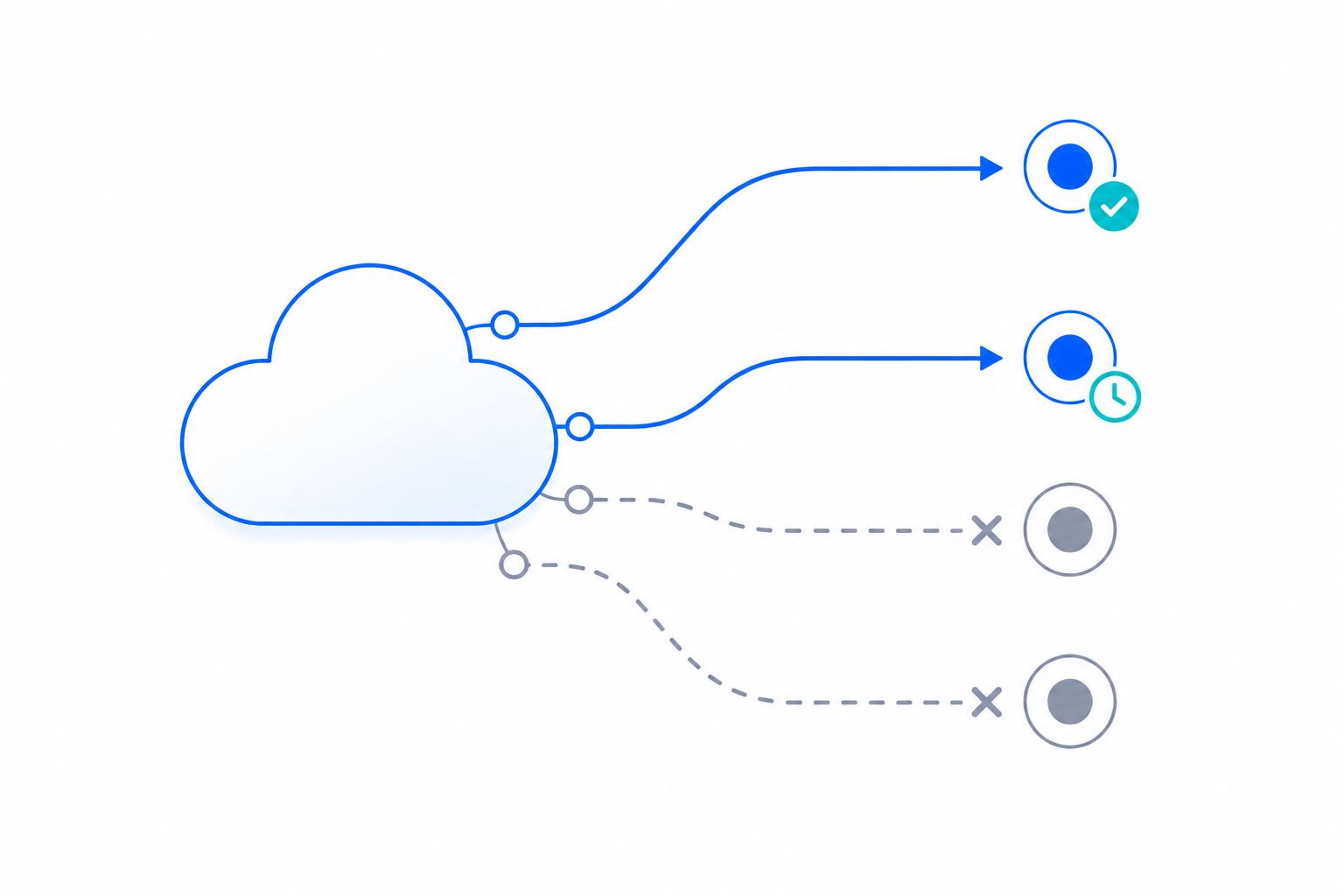
| Data Minimization and Controlled Sharing | Recital 17, Article 68 | Restricted sharing, expiring access, revocation controls |
| Data Retention and Governance | Article 68, Article 67 | Retention controls, deletion policies, governance features |
| EU Data Residency and Sovereignty | Article 87 | EU storage options and location controls |
| Secure Exchange and Interoperability | MyHealth@EU, EHDS interoperability framework, Article 53 | Secure transfer of large files across organizations |
A Closer Look At The Requirements for EHDS
Access Control and Authentication
EHDS Requirement
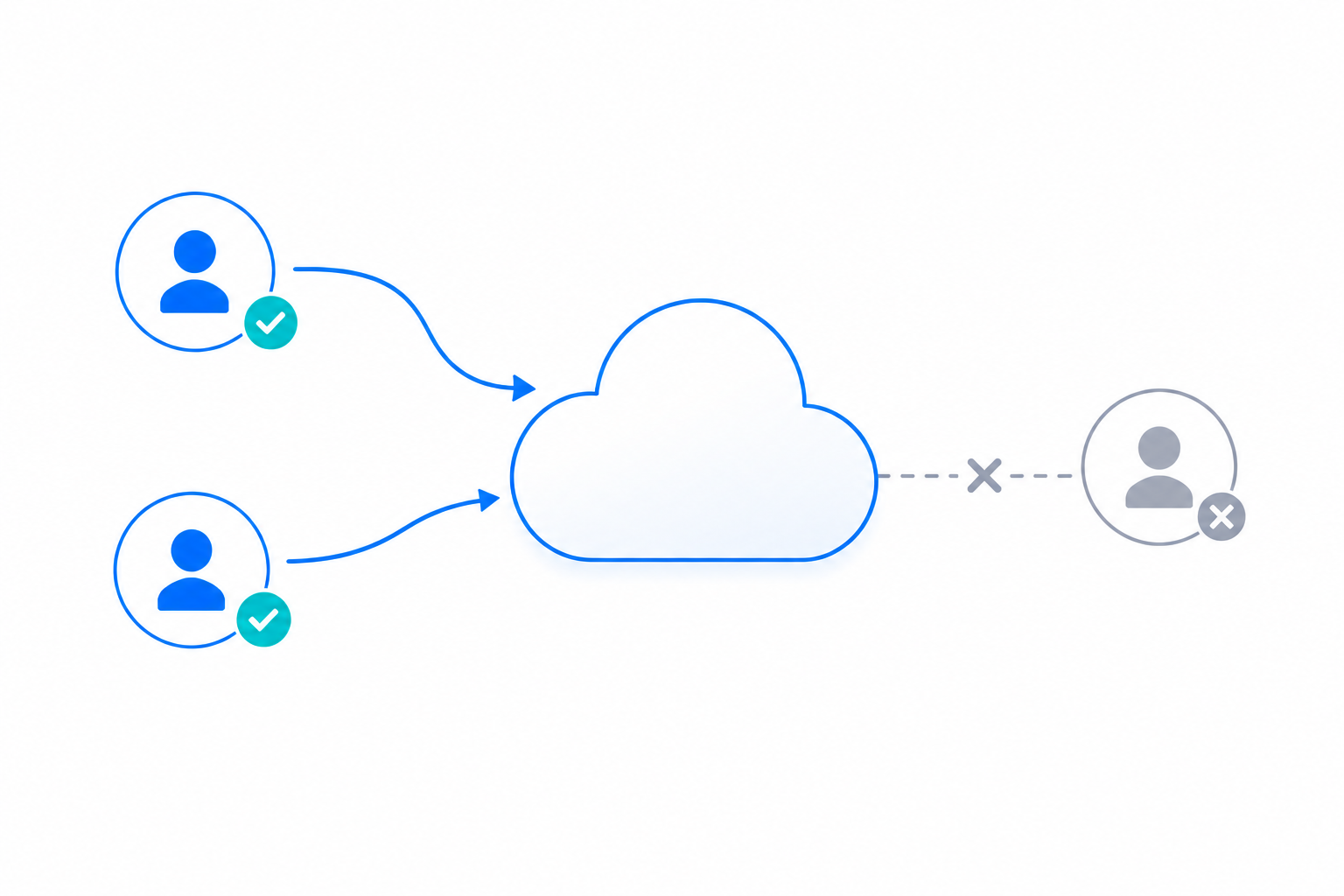
EHDS mandates that only authorized individuals, including healthcare personnel and other approved health professionals, can access digital health data. Authentication, identification, and access-right management form important parts of the EHDS governance framework.
Filemail Provides
- Two-factor authentication
- SAML / SSO
- Password-protected download pages
- Recipient-specific delivery and access controls
Accountability and Auditability
EHDS Requirement
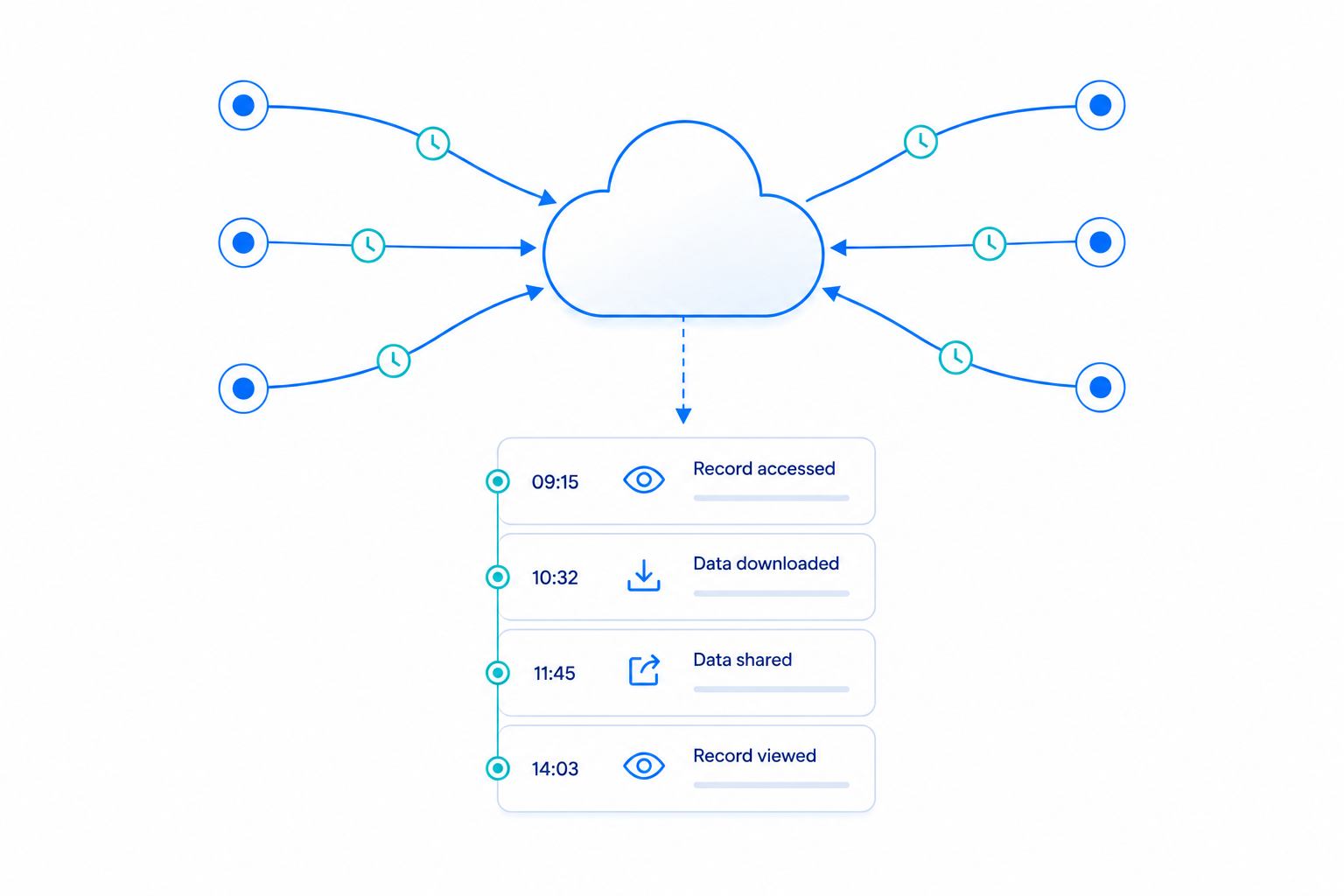
EHDS requires extensive logging and traceability when handling electronic health records. Organizations must show accountability and keep records of access and activity. These records must note who shared data, who received it, and when access occurred.
Filemail Provides
- Immutable audit logs
- Detailed transfer activity logs
- Download tracking
- User activity reporting
- Real-time transfer notifications
Data Minimization and Controlled Sharing
EHDS Requirement
EHDS works alongside GDPR. It requires data processing to be proportionate and limited to what is needed for the intended purpose. Organizations should control who receives data and how long it remains accessible.
Filemail Provides
- Expiring download links
- Download limits
- Time-limited access
- Revocable sharing permissions
Data Retention and Governance
EHDS Requirement
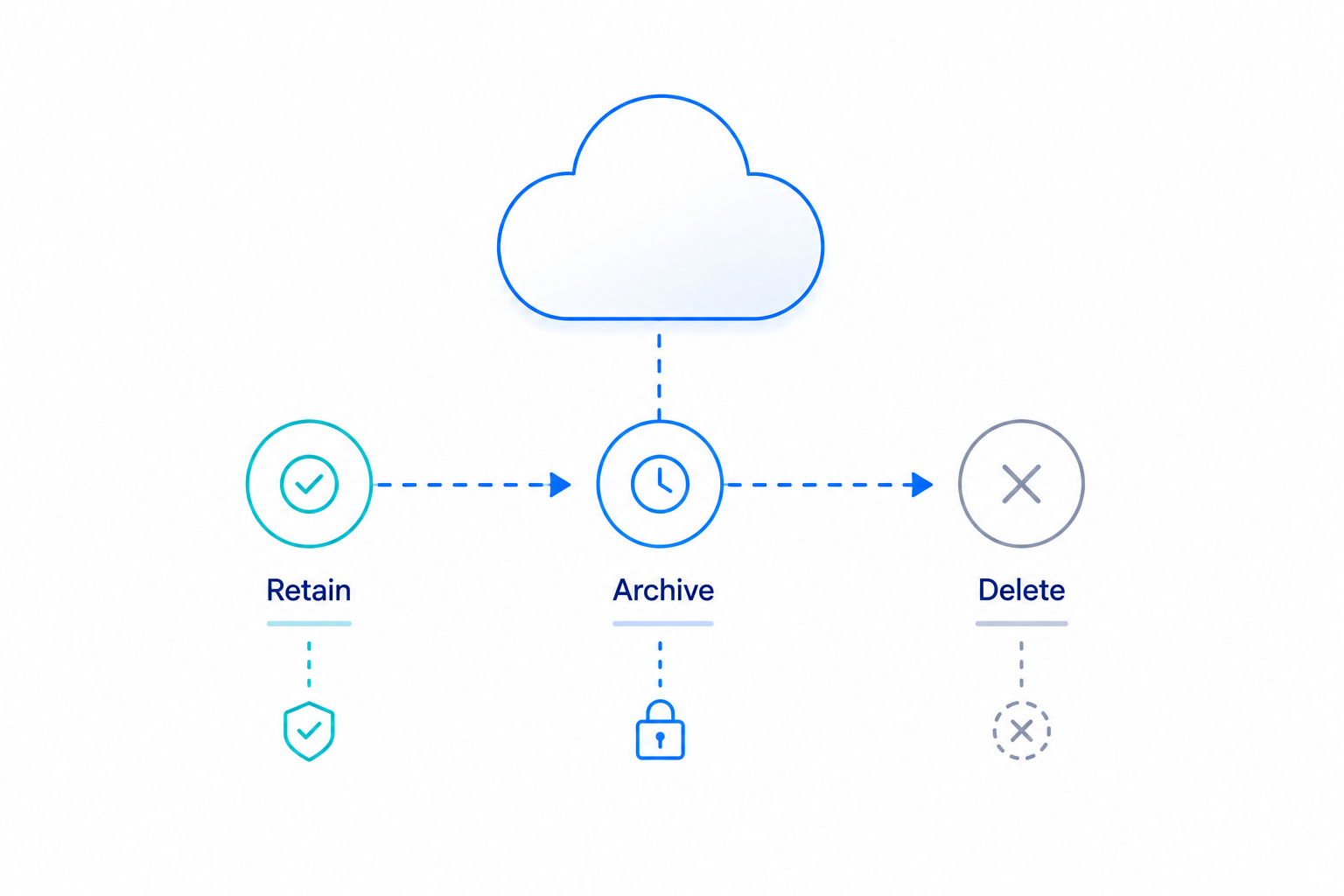
EHDS places requirements on the governance, retention, and controlled access of electronic health data. Certain EHDS frameworks also require secure processing environments for approved access to health data. They also require secure environments for health data used for secondary purposes. Organizations must manage how long data stays available, who can access it, and when to remove access or storage.
Filemail Provides
- Administrative governance controls
- Automatic deletion policies
- Configurable retention periods
- Storage location controls
EU Data Residency and Sovereignty
EHDS Requirement
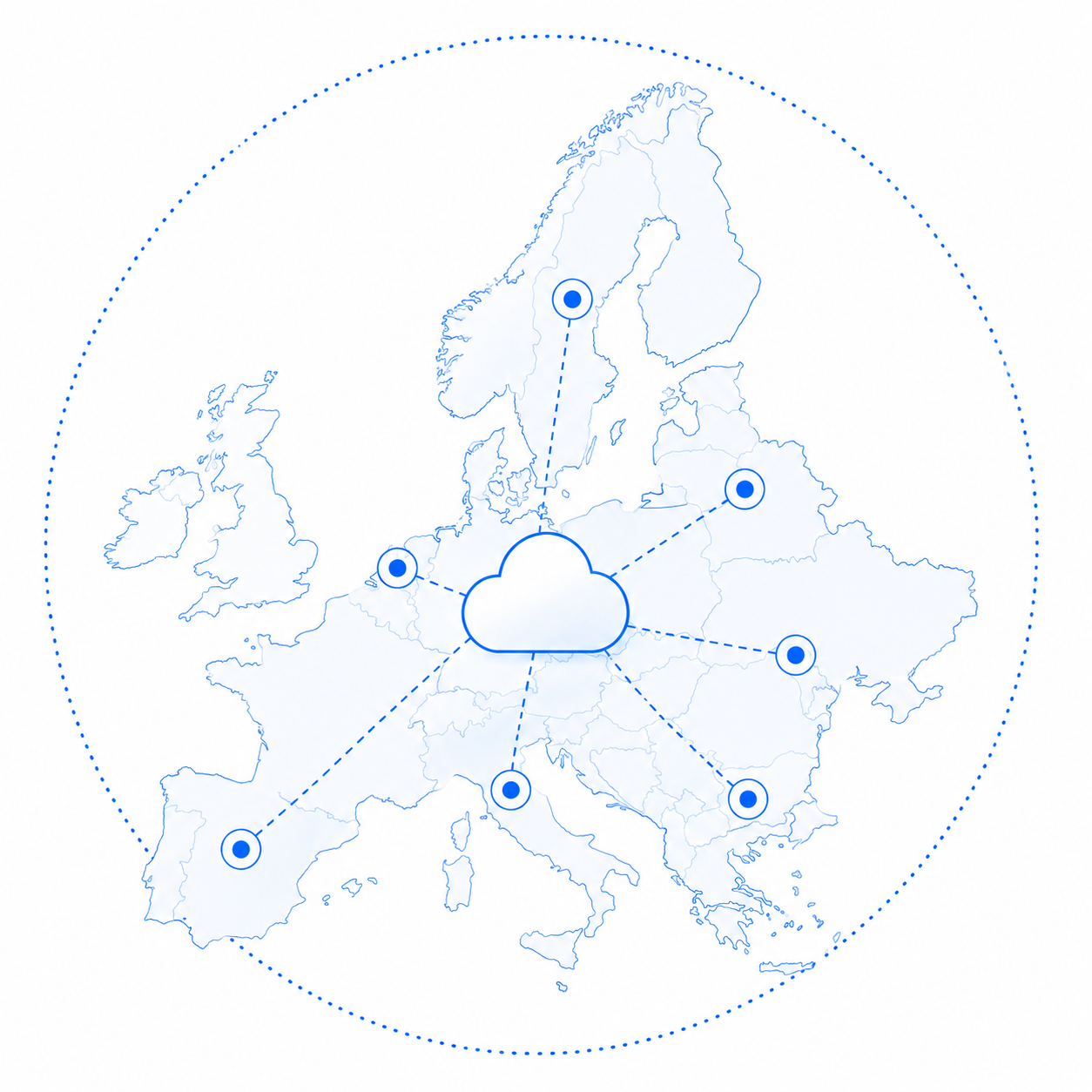
EHDS requires certain participants in the health data ecosystem to store and process personal electronic health data within the European Union. Data residency and sovereignty requirements are important considerations when handling digital health data.
Filemail Provides:
- EU data residency options
- Storage location controls
- Secure cloud storage infrastructure
Secure Exchange & Interoperability
EHDS Requirement
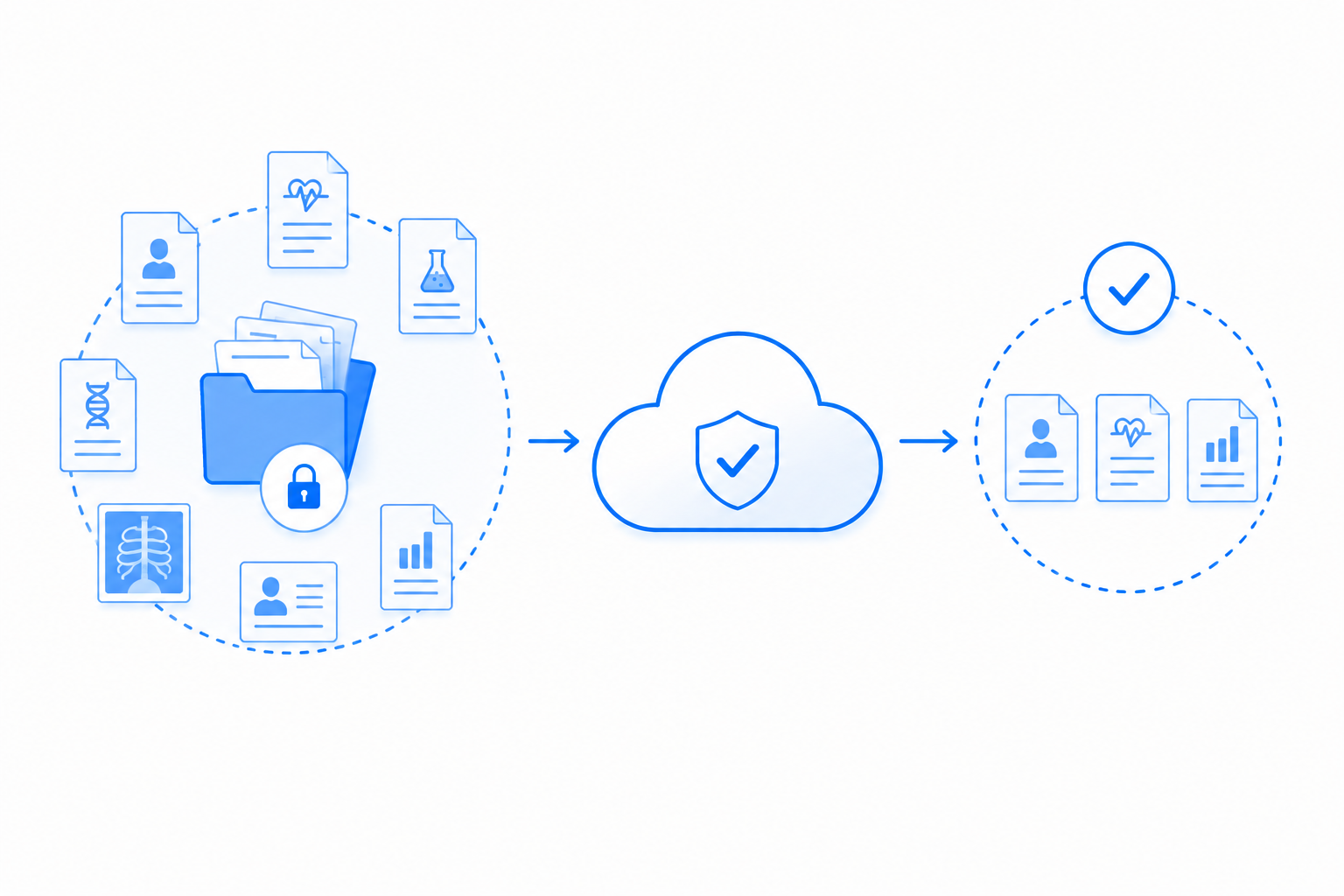
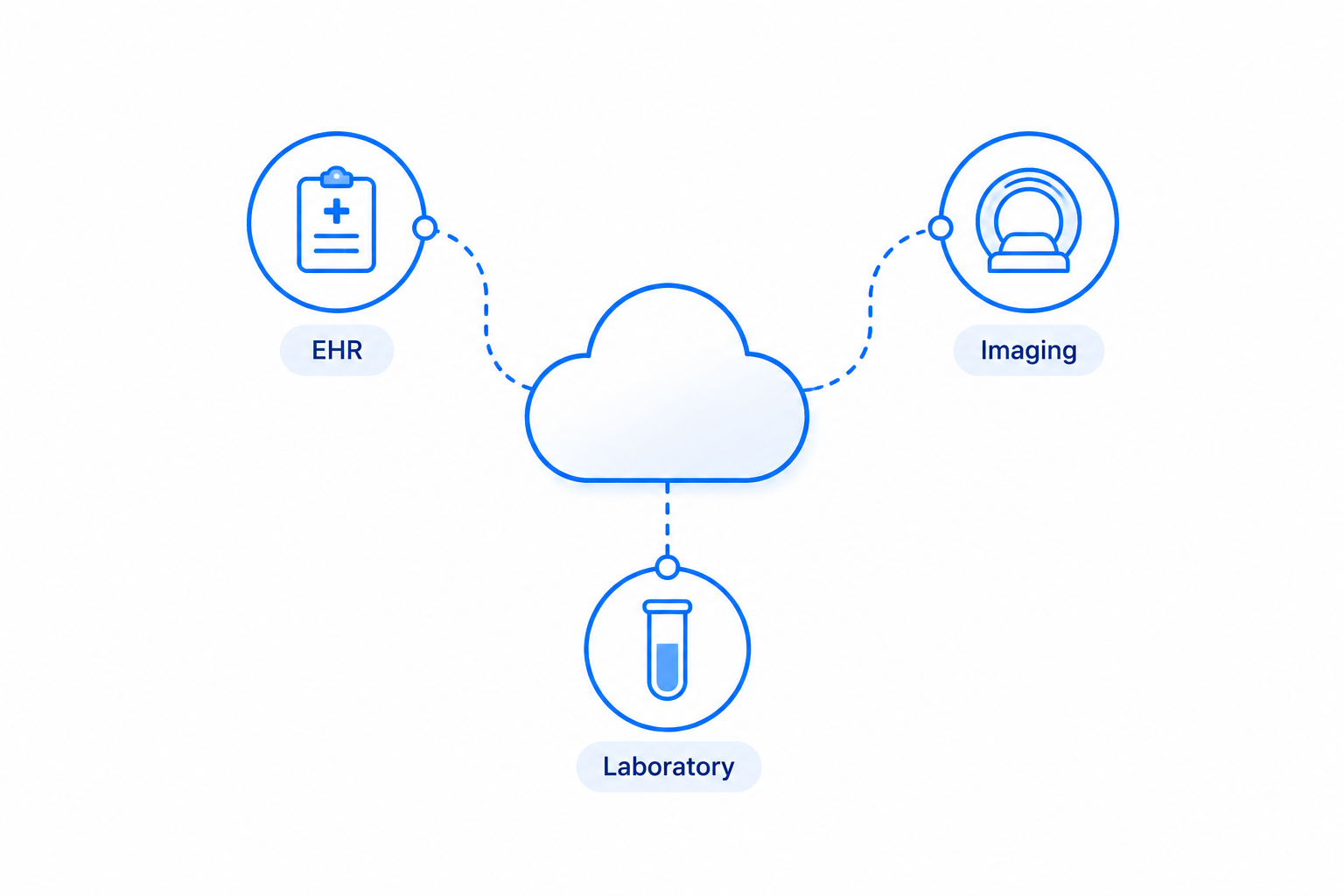
A core objective of EHDS is to enable the secure exchange of electronic health data across healthcare systems (such as EHR systems), and EU member states. Healthcare organizations often need to exchange large datasets, medical imaging studies, test results, patient records, and other categories of health data between systems that do not directly integrate. EHDS also requires appropriate security measures to protect health data during transfer and storage.
Filemail Provides
- Secure file transfer
- Very large file transfer capabilities
- End-to-End Encryption
- High-speed transfer infrastructure
- Robust API endpoints
- Browser-based and native-app access
Our User's Ratings

 | 4.6 | 41 Ratings |
 | 4.6 | 41 Ratings |
 | 4.6 | 41 Ratings |
 | 8.9 | 96 Ratings |